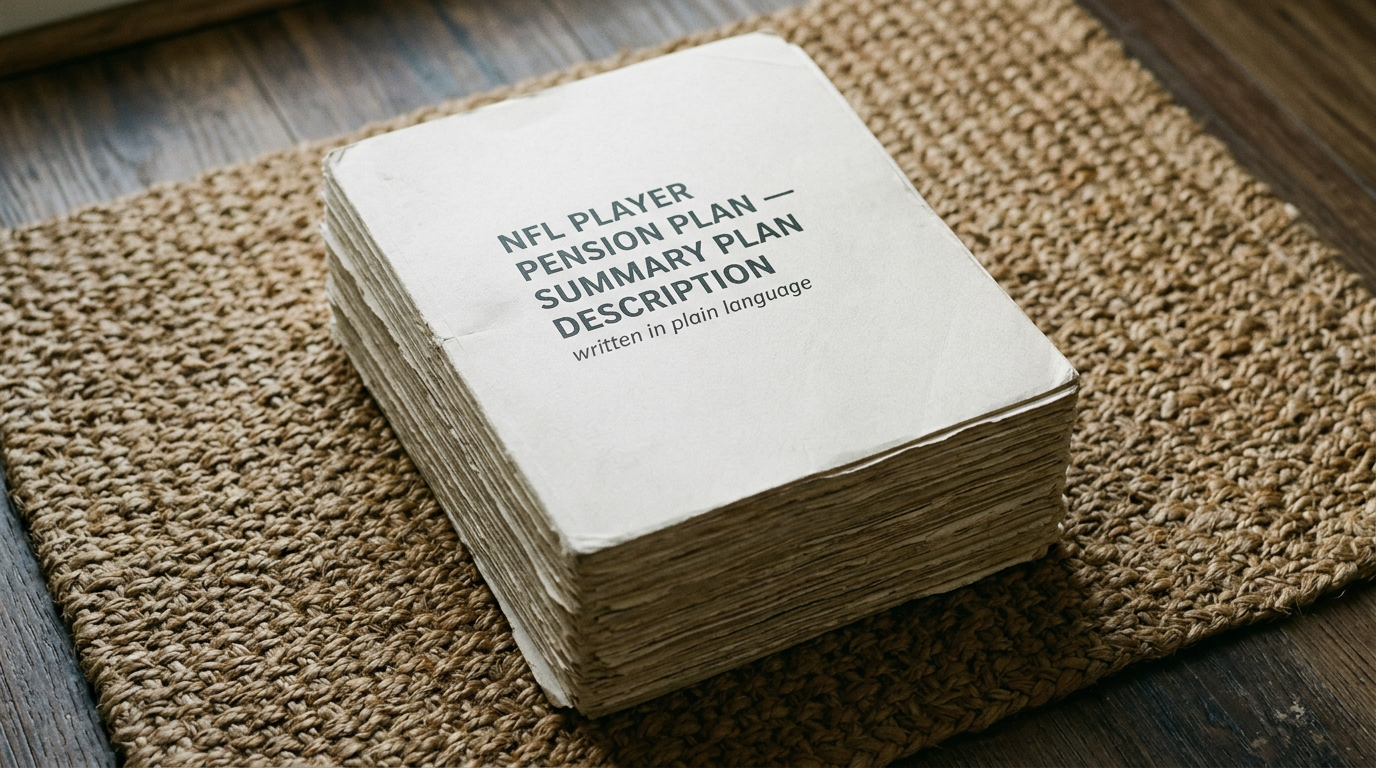
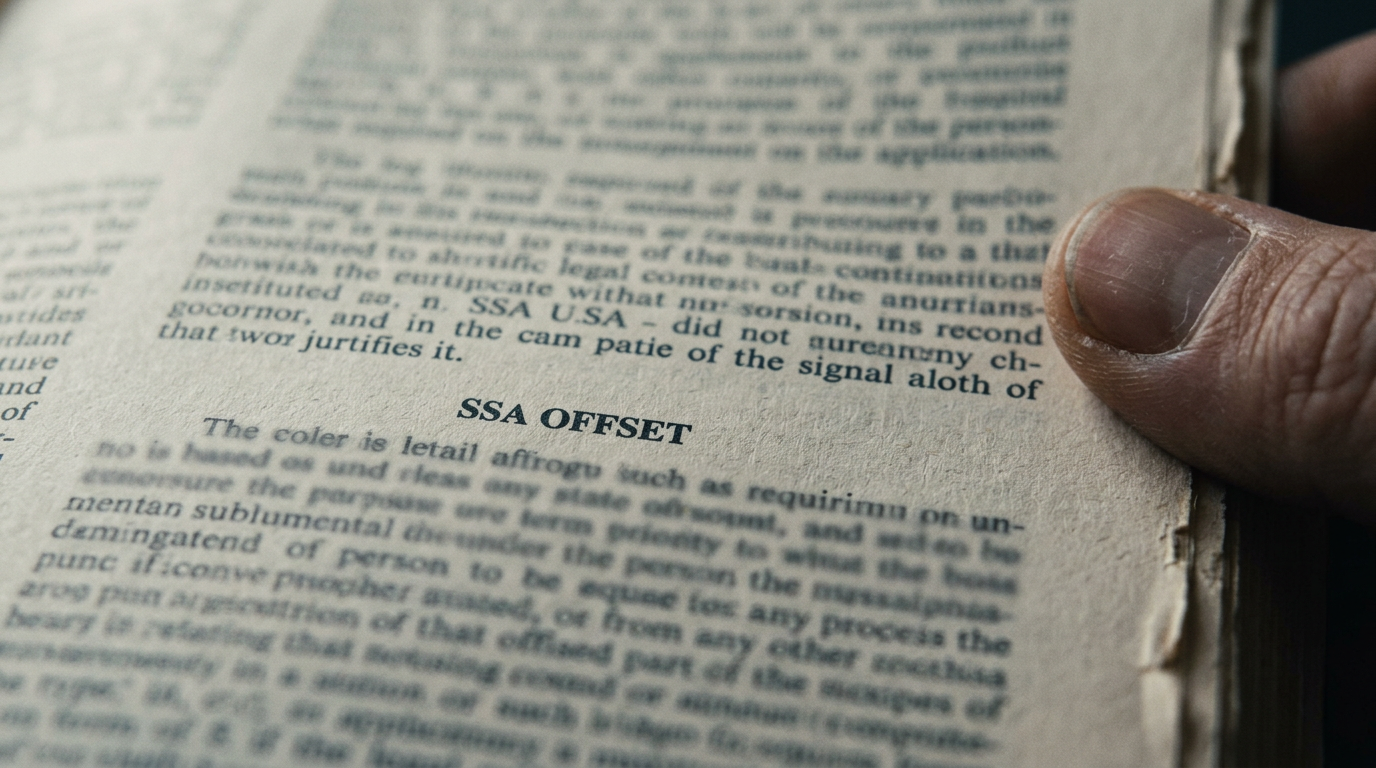
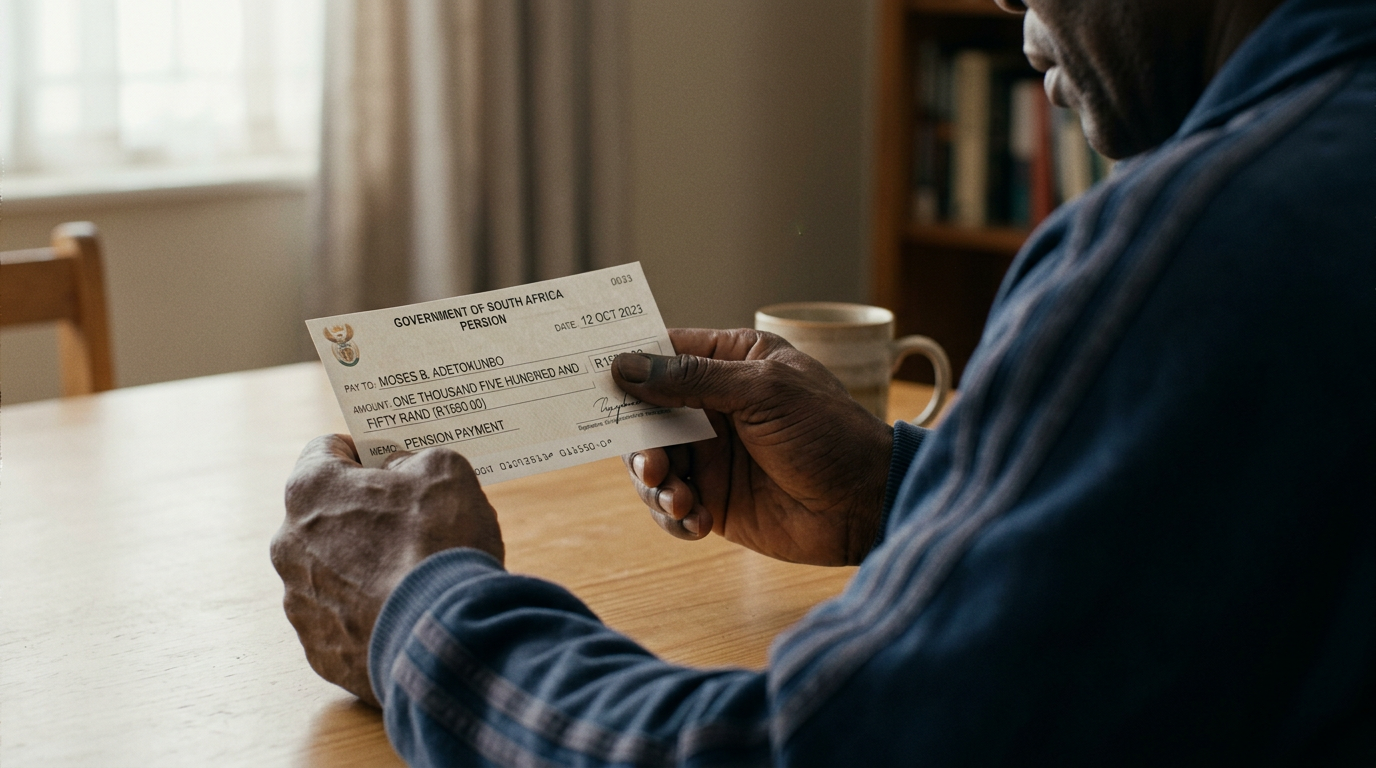
The booklet says "plain language," then unloads jargon. A retired lineman takes every term literally; a dry narrator corrects him with the real facts. This board locks the cast and the look before storyboarding. Nothing here is a final frame.
Casting decision made: the main character is the young recently-retired player from Aaron's footage, locked as the Higgsfield anchor (nfl-hero-marcus). Three seasons in the league, three seasons out. It sharpens the takeaway: the guy checking his Credited Seasons looks like this, not like a 30-year retiree. The spot is a single-person journey — no on-camera host, the narrator lives in V.O. All earlier casting explorations are archived off-board.




Everything happens in one mundane suburban house. Wood paneling, plaid upholstery, raking morning light, a bathroom that hasn't changed since 1987. These frames define the production design and the grade for every shot.


Four card types carry all on-screen language. All type is built in After Effects over the footage or as full-frame cards: NFL shield navy, NFL red, steel blue for facts, heavy condensed caps (Tungsten/Knockout family — mockups below use a stand-in). The cards are the narrator’s handwriting on the film: terms get a full-frame card, truths get a lower-third.
Insert bank — macro texture the edit cuts to between cards:


Mail carrier two-hands the "plain language" booklet onto the doormat. THUD.
Lineman opens it; hard cut to chest-deep paper. "Plain language."
Slow double-bicep flex, held, dead serious. Narrator corrects.
Steps on tiny scale like a man at the gallows. "The scale can't help you, Marcus."
Flashlight under the rug. "...hello?" Nobody is under the rug.
One index card: 3 SEASONS = VESTED. IT'S YOURS. FOREVER. "That's it?" "That's it."
One confetti burst. Neither man reacts. A normal-sized check, examined approvingly.
Check your Credited Seasons. nflplayerbenefits.com · 800.638.3186